Saul Goodman's courtroom testimony is perhaps the most important part of Better Call Saul’s finale - but what does it mean for Jimmy McGill?
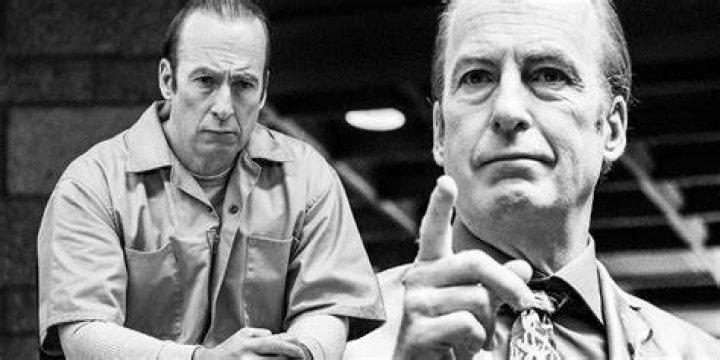
The Better Call Saul finale sees Saul Goodman, a.k.a. James McGill, representing himself in court after finally getting caught by the authorities, leading to Saul's courtroom testimony and arc completion. The appearance of several Breaking Bad characters in Better Call Saul's finale was a fitting end to the critically-acclaimed antihero crime drama. Apart from further blurring the lines between the original series and the spinoff, this also fueled Slippin' Jimmy's final and possibly greatest con job: his infamous Better Call Saul courtroom testimony. Throughout the entire Better Call Saul finale testimony, Jimmy utters only one lie: that Kim isn't involved in Howard's death, which betrays Jimmy's true goals.
In the end, Saul's courtroom testimony succeeds at performing one final "scam" by getting everyone to act according to his will. However, as explained in Walter White's Better Call Saul finale scene, the ending is about regret. This is why Jimmy also confesses to the court about his involvement in pushing his brother Chuck to the brink of suicide, even though it technically had nothing to do with Jimmy's RICO case. Indeed, unlike how Jimmy pursued money and/or sheer thrill with his many extremely profitable scams, Jimmy's last Better Call Saul courtroom testimony is aimed at a much loftier goal: the possibility of redemption - at least in the eyes of Kim Wexler.
How Saul Manipulated Marie In The Better Call Saul Finale

In terms of James McGill's final testimony and plea agreement, the most important Breaking Bad character to return is Marie Schrader - Hank's widow - whom Saul uses to manipulate the legal system one last time. After getting arrested, Saul gets charged with enough to put him away for more than 100 years. However, Saul uses Marie to illustrate that he can control the jury by claiming to be a victim of Walter White's schemes, which lands him a 7-year prison deal with state lawyers instead. However, this was just the setup to Saul Goodman's final Better Call Saul courtroom testimony.
When Saul finds out that Kim confessed to Howard Hamlin's death, Saul claims to have even more evidence about Howard, which is later revealed to be just a ruse intended to force Kim to appear at Saul's trial. In reality, Saul never intended to get his prison sentence reduced. Abandoning his previous lies, Saul confesses to the court about his pivotal role in building Walt's drug empire in Breaking Bad, even stating for the record that he wants to be recognized as James McGill. Jimmy also clarifies his intentions to the judge: to confess in front of Kim and own up to his misdeeds.
Why Saul Goodman Changes His Plea Agreement

In fact, Saul's many changes to his plea agreement didn't just lay the groundwork for his Better Call Saul courtroom testimony. Their final scene also shows Kim that Jimmy could have gotten away with just 7 years in prison. From potentially getting sentenced to over a century worth of federal criminal charges, Saul negotiates a deal for just 7 years, and after his confession, lands a final sentence of 86 years in prison.
These changes serve two main purposes for Jimmy. Apart from showing Kim that he's ready to give up his freedom for a chance at redemption, Jimmy knows that the only way to impress Kim is through his acumen. By proving that he could have escaped the full ramifications of his actions - but then chose not to - Jimmy McGill's Better Call Saul courtroom testimony simultaneously proved to Kim that he is a changed man, even though he's better at the game than ever before.
Why Saul Protects Kim Over Howard's Death

Both Kim and Saul would agree that Kim deserves to be punished for Howard's death - but not Jimmy. It was Kim who insisted on conning Howard, which inadvertently led Howard down the path to getting shot by Lalo Salamanca in the head. That said, although it's notable how Kim Wexler inspired Saul Goodman, it was Jimmy who actually pulled Kim into the game by walking her through their first scam. Kim quickly overtook Jimmy's ability to lie, even saving Jimmy from Lalo or getting accosted by Howard's widow with her quick thinking.
However, when Kim realized that him and Jimmy's relationship could only lead to bigger and bigger scams, she had the sense to leave. Though Jimmy resented Kim leaving at first, he still feels responsible for Kim's fate, as it was Jimmy who prompted the creation of Kim's Giselle alter-ego in the first place. Most importantly, by protecting Kim over Howard's death and showing atonement for his actions, Jimmy is back on speaking terms with Kim, which still spells a happy ending for Jimmy, even though the Better Call Saul courtroom testimony scene means that he'll probably die in prison.
Why Saul Confesses About Chuck's Insurance

Jimmy's testimony regarding Chuck's legal insurance fees had nothing to do with his case - but it let Kim know that Jimmy is aware of the fact that Chuck McGill was right about Jimmy all along. As part of abandoning the monster that he has become, Jimmy bares his deepest and darkest secrets while under oath. This is meant to convince not just Kim, but also the audience, that Jimmy is sincere about seeking redemption for his crimes.
For Jimmy, this must have also come with a deep sense of relief. Physically, Jimmy will be forever confined within the walls of his prison cell. However, by admitting to conning Chuck, Jimmy not only redeems his brother in the eyes of their legal peers, but he also begins letting go of any remaining guilt from Chuck's suicide. In this instance, the Better Call Saul courtroom testimony is about Jimmy McGill convincing himself that he deserves at least a chance at redemption.
Why Saul Asks To Be Called James McGill
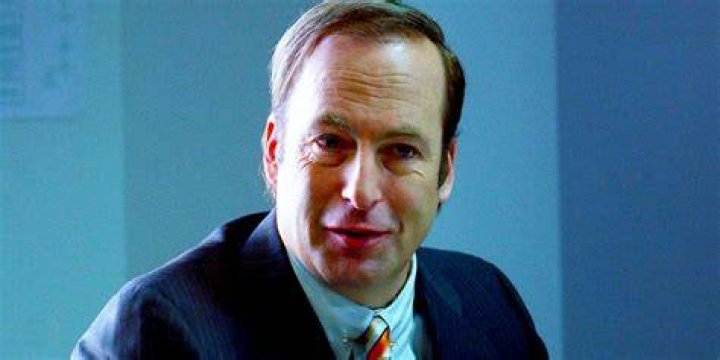
Better Call Saul pulled off a miracle by making it plausible that Saul Goodman is somehow worthy of redemption - the ultimate twist in a series that was largely expected to have an entirely dark ending - and it's all thanks to James McGill. From the Breaking Bad cameos and the flashback scene with Jimmy and Chuck, to how Jimmy and Kim share one final cigarette in prison, it all comes back to Saul's past as Jimmy - proof positive that Saul Goodman is indeed a human being.
Saul asking to be called by his real name, James McGill, is the final nail in the coffin that he built in the finale himself. After baring his sins to the world, Saul declaring himself to be Jimmy once again confirms that Saul Goodman is dead - and that Jimmy is ready to take his place in prison to answer for his crimes. Moreover, this could also be a way for Jimmy to show Kim that she no longer has to hide, which could potentially turn around Kim Wexler's tragic fate.
Indeed, Saul's courtroom confession in the Better Call Saul finale sees the show ends unexpectedly well in terms of Jimmy and Kim's relationship. That said, whether Jimmy deserves redemption is left for the viewer to decide. Whatever the final opinion on the matter may be, what's undeniable is that because of Jimmy's Better Call Saul courtroom testimony and final "scam," "Saul Gone" is arguably the greatest series finale in the history of the antihero crime genre.